How to Open Your Pool After a Long Indiana Winter
Opening your pool after a long Indiana winter requires more than just removing the cover. This guide explains the proper steps for spring pool opening in Madison, IN, including cleaning, water chemistry balancing, and equipment checks to prevent algae and damage. Learn how homeowners can start pool season with clear, safe water and avoid common spring startup problems.
🏊 POOL OPENINGS
Madison Pool & Spa
3/4/20265 min read
Preparing for the Pool Opening
As the warm months approach after a long Indiana winter, preparing for the pool opening is essential to ensuring a safe and enjoyable swimming experience. The first step in this process involves gathering the necessary supplies, which typically includes a skimmer net, vacuum, pool brush, chemical testing kits, and maintenance tools such as a leaf blower and extension poles. Additionally, it is important to have safety equipment on hand, such as lifesavers and first-aid kits, to address any emergencies that may arise.
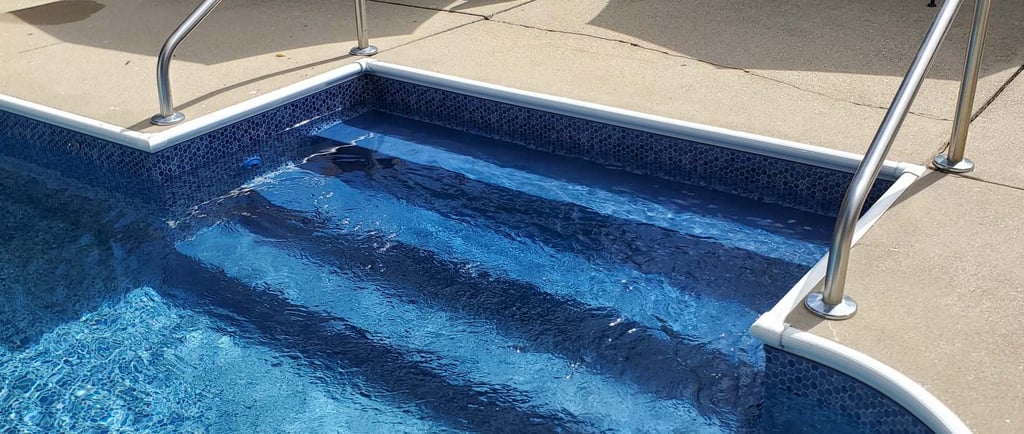
Once the supplies are organized, assessing the pool area becomes the next priority. Begin by conducting a visual inspection of both the pool equipment and the immediate surroundings. This includes checking the integrity of the pool liner, ensuring that tiles are in good condition, and inspecting the filter and pump systems for any signs of wear or damage accumulated during the winter months. Any cracks or leaks should be addressed promptly to prevent further issues once the pool is filled with water.
Moreover, take the time to clean the surrounding area by removing debris, leaves, and any obstacles that may pose a risk. Ensure that any fencing or gates around the pool are intact and operational, as this is crucial for maintaining safety, particularly if children or pets are present. Once the area is cleared, ensure that all safety measures are in place. This may include updating the pool cover instructions and reviewing emergency procedures with all potential users of the pool.
By following these preparatory steps, pool owners can set themselves up for a successful opening. Thorough preparation not only protects the pool itself but also ensures that all swimmers can enjoy a safe and fun environment when the sun starts shining.
Removing the Pool Cover and Cleaning
As the temperatures rise in Indiana, it is essential to begin the process of opening your pool after a long winter. The first step in this revitalization journey is the careful removal of the pool cover. Begin by checking the integrity of the cover, ensuring that it is free from any tears or damage caused by weight accumulation or harsh weather conditions. This inspection is vital for extending the longevity of your pool cover and ensuring its future use.
Once you have confirmed the cover's condition, the next step is to remove any debris, leaves, or snow that may have collected on top. Use a leaf blower or a soft-bristled broom to gently push debris off the cover, being mindful not to damage the fabric. After clearing the surface, carefully peel back the pool cover, allowing any trapped water to drain off in a controlled manner to prevent flooding your pool area.
Cleaning the pool cover thoroughly is crucial before storing it for the season. A mild detergent mixed with warm water can effectively remove any mildew or algae buildup. Rinse the cover thoroughly and allow it to dry completely before folding it for storage. Proper storage in a cool, dry place will help maintain its condition throughout the off-season.
With the pool cover dealt with, attention should turn to cleaning the pool itself. Start with manually skimming the surface to remove leaves, sticks, and other debris. Next, use a pool vacuum to clean the bottom, ensuring all dirt and sediment is effectively removed. Additionally, scrub the walls and ladder using a suitable brush designed for your pool type. This thorough cleaning prepares your pool for the next crucial step of filling it with fresh water, setting the stage for an enjoyable swimming season ahead.
Balancing Pool Water Chemistry
Maintaining proper water chemistry is critical to ensuring a safe and enjoyable swimming environment after a long Indiana winter. As you prepare to open your pool, testing the water chemistry should be your first step. This process involves measuring key factors such as pH, alkalinity, and chlorine levels. Each of these components plays a vital role in the overall quality of your pool water.
The pH level of your pool should ideally be between 7.2 and 7.8. A pH level within this range ensures effective disinfection and minimizes irritation to the skin and eyes of swimmers. To test the pH, you can use test strips or a liquid test kit, which provide quick and accurate readings. If the pH is too high, you may add a pH decreaser, typically made from sodium bisulfate, while a pH increaser can be applied to raise low levels.
Alkalinity acts as a buffer for the pH level, helping to stabilize it against sudden changes. The recommended total alkalinity range is between 80 and 120 ppm (parts per million). If adjustments are necessary, use an alkalinity increaser, which is commonly sodium bicarbonate. Ensure you add chemicals gradually and retest the water until the desired alkalinity is reached.
Chlorine is another essential chemical for pool maintenance, as it keeps bacteria and algae at bay. Aim for a chlorine level between 1 to 3 ppm. Depending on your readings, liquid chlorine or chlorine tablets can be used to raise the levels. Always ensure to evenly distribute these chemicals throughout the pool to achieve effective results.
By meticulously checking and adjusting these components, you can effectively prevent algae growth and ensure your pool is ready for a healthy start to the season. Proper water chemistry not only enhances your swimming experience but also ensures the longevity of your pool infrastructure.
Inspecting Pool Equipment and Final Touches
As the winter months come to an end in Indiana, it is essential to thoroughly inspect your pool equipment and complete necessary final touches to ensure a safe and enjoyable swimming season. The first step in this process involves examining the pool pump, filter, and heater, as these components are crucial to maintaining water quality and temperature. Begin by visually inspecting the pump for any signs of damage or excessive wear. Ensure that there are no leaks, as this can lead to further complications and inefficiencies.
Next, check the filter system. If your filter uses cartridges, it may be time to replace them, as old filters can hinder water circulation and overall cleanliness. For sand filters, consider backwashing the system to remove any built-up debris. Also, be sure to verify that all hoses and connections are intact and secured, preventing any water loss during operation.
The heater also warrants careful inspection. Verify that it is functioning properly by checking the pilot light and any necessary electrical connections. Look for any potential blockages in the heater’s exhaust system, as this can pose a hazard. After ensuring that all mechanical parts are in optimal working condition, it is advisable to perform a test run to confirm everything operates smoothly.
In addition to equipment maintenance, safety should be a priority. Set up safety equipment including life rings, first aid kits, and appropriate signage around the pool area. This will not only enhance safety but also demonstrate a commitment to responsible swimming practices. Finally, consider adding some aesthetic touches such as landscaping around the pool, which can create a welcoming atmosphere. Planting flowers or shrubs can significantly enhance your pool’s visual appeal, making the area inviting for family and friends.
Questions? Reach out anytime.
© Madison Pool and Spa Service. All rights reserved.